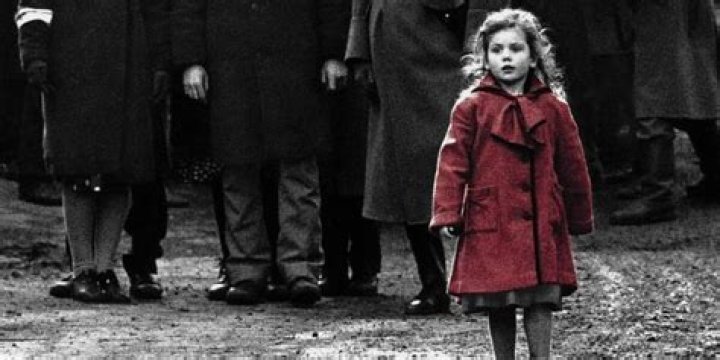
The girl in the red coat only appears once in Schindler's List, but her impact on the protagonist's journey and the story overall is immeasurable.

Summary
- The girl in the red coat is a symbol of individuality and innocence in Schindler's List, representing the needlessness of war.
- Spielberg's use of color for the girl's coat emphasizes her importance in the film and makes her relatable to audiences.
- The girl's death serves as a catalyst for Oskar Schindler's transformation and his realization of the atrocities committed by the Nazi party.
The little girl in red Schindler’s List moment is a pivotal splash of color against a monochrome backdrop of war and suffering — and though the scene’s importance has been long-debated and discussed, almost all interpretations of its true meaning are incredibly tragic. Steven Spielberg’s devastating war drama tells the real-life story of German industrialist Oskar Schindler (Liam Neeson) and his attempts to defer from the Nazi Party and protect his Jewish employees from the slaughter and executions that he’d witnessed abroad. It’s a notoriously emotional film that doesn’t pull its punches at all when depicting the true horrors of the Holocaust.
Schindler’s List is based on a true story, but the narrative is dramatized to emphasize the key themes of generosity, empathy, and selflessness. These creative decisions also make the plight of Jews in Nazi Germany like the girl in the red coat unflinchingly relatable. Spielberg used heavy amounts of visual symbolism, conveying the emotional depth of Schindler's List through its cinematography. The little girl in the red coat — one of the only uses of color in Schindler's List — is one of the most obvious examples. Spielberg choosing this specific girl's coat to be red is a deliberate choice, and one that helps explain the core message of Schindler's List.
Schindler's List is available to stream on Paramount+.
When The Girl In The Red Coat Is Seen
Despite only appearing in one sequence and never being mentioned by name, the girl in the red coat is one of Schindler's List's most important characters. She marks the only switch from black-and-white to color in Schindler’s List, integrating a compelling visual flair into one of the film’s most unforgettable scenes. She appears during a horrific reenactment of the liquidation of the Krakow ghetto in 1943 when Nazi troops stormed a Jewish community in occupied Poland and began slaughtering the residents. In Spielberg’s recreation of these crimes, Oskar Schindler (portrayed by Liam Neeson) watches over the city and catches sight of the young girl from a distance.
Although the girl is never seen again, Schindler later spots her bright coat on a cart that’s carrying a heap of dead bodies away from the ghetto. It’s a harrowing moment that really emphasizes just how discriminatory the Nazi soldiers could be, murdering people of all ages for no reason other than their religion. Spielberg has made several great war movies, but none have displayed the cruelty of the Holocaust that he captures with Schindler’s List. The girl in the red coat is one victim among millions, but by specifically picking her out of the crowd, Spielberg doesn't allow viewers to forget that every victim of the Holocaust was an individual just like them.
Why The Girl In The Red Coat Is Shown In Color

Schindler’s List is shot in a beautifully crisp monochrome that captures the bleakness of this period of history, but when filming the tender moment between Schindler and the young girl, he includes color for just a moment. The decision is intended to catch the audience off guard and remind them of the individuality of every one of the Nazis’ victims. Keeping her in monochrome would’ve allowed her to fade into the crowd and become another body in the pile, but that’s exactly what Spielberg wanted to avoid. Like all the others, the girl was a human being with hopes, dreams, and aspirations.
Schindler’s List is drastically different from Spielberg’s movies that came before, but he has never failed to remind the audience of exactly why they’re watching a particular story. There’s always a purpose behind each decision, and it’s this sharp contrast that really highlights the distinction of every single victim who lost their lives to the Nazi regime. These bodies aren’t just numbers — each one was an actual person with their own identity that was stripped away simply because of what they believed in. By painting this young girl in color, the film allows the audience to connect with her and see her as an equal rather than a statistic.
Why The Girl In The Red Coat Had To Die

Schindler’s List is an anti-war film, and by allowing the audience to connect with the girl in the red coat and then showing how brutally and needlessly she was killed, Spielberg drives home the film’s central theme of just how cruel warfare actually is. The girl hasn’t done anything wrong — even in the eyes of the Nazis, she’s only their enemy because of her family and bloodline — but she still lost her life.
The liquidation would’ve been a traumatizing scene without this particular moment, but the girl’s death adds an extra layer of tragedy and heartbreak — she represents the needlessness of war. None of this killing had to happen at all, but she found herself punished for simply existing. One of Schindler’s List’s most important themes is the persecution of innocence, which she embodies perfectly. Despite the best efforts of those few good citizens, the deaths of innocent people will always be a consequence of war. Spielberg’s best movies all center around the importance of compassion and working together to overcome evil, which Schindler only learns after witnessing this tragedy.
The Meaning Of The Girl In The Red Coat
From a narrative perspective, the girl in the red coat's death in Schindler's List also serves a hugely important purpose in the journey of Oskar Schindler. The entire movie is framed from his perspective — everything on-screen is shown as Schindler experiences it, save for only a few brief scenes. It’s this moment with the young girl that really shakes Schindler to his core and forces him to recognize that as a member of the Nazi party, he’s been complicit in her murder. Her color shines brightly because Schindler recognizes that he’s made her a part of his world — her blood is on his hands.
It’s this guilt that spurs Schindler into creating the list of employees whom he strives to protect. Schindler’s List is among Liam Neeson’s darkest movies, and his character undergoes an equally dark journey that fundamentally changes his from start to finish. It’s the young girl’s death that first opens Schindler’s eyes to the horrors that he’s been complicit in, bringing a blurry picture of death and destruction into color for the first time. Now he realizes what he must do, and with this scene, Schindler’s List perfectly marks the beginning of a powerful character arc.
What To Know About The Actress Who Played The Girl In Red
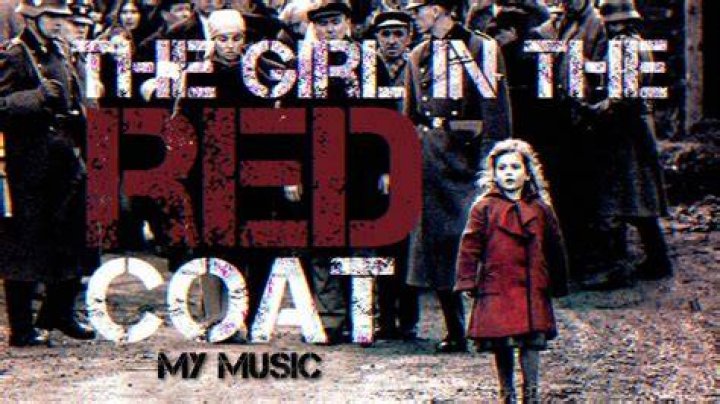
The legacy of the girl in the red coat from Schindler's List continues decades after the movie's 1993 release, but few know much about the young actor who played the role, Oliwia Dabrowska. Dabrowska was just 3 years old when she played the iconic role in Spielberg's movie. The Polish actor remembers the Oscar-winning director suggesting to her at the time of the filming that she wait until she was 18 years old to watch the movie (via Observer).
However, Dabrowska admitted she watched it when she was 11 years old and had a very negative reaction to it, saying "I could not understand much, but I was sure that I didn’t want to watch ever again in my life." However, over time, Dabrowska's feelings about being in the movie changed and she began to embrace her role as part of an important movie, saying "I had been part of something I could be proud of."
Indeed, Dabrowska took some of the key messages of the movie to heart as in 2022, she helped to organize a group of volunteers to help Ukrainian refugees arriving at the Polish border (via NY Post). Her actions serve as an important reminder that the girl in the red coat in Schindler's List may have been a victim of the Holocaust, but her situation is tragically still mirrored in the many global conflicts of the modern age.