There is a complex history surrounding the genre, but from Wes Craven to James Wan, who directed the most horror movies?
While the horror genre can be traced back to the early days of cinema with the work of pioneering filmmaker George Méliès, it is arguable that no film elevated the genre more than Alfred Hitchcock's Psycho. Released in 1960, Psycho depicted the horrors of everyday life, proving that the genre did not have to stick to the supernatural.
Since the inception of cinema, thousands of directors have forayed into the horror genre, with many dedicating their careers to exploring the complexities of the genre, discovering what can be possible in a horror movie. From modern filmmakers such as James Wan to the late, great Wes Craven, the following directors were all involved in multiple horror movies.
10 Steve Miner (7 Movies)
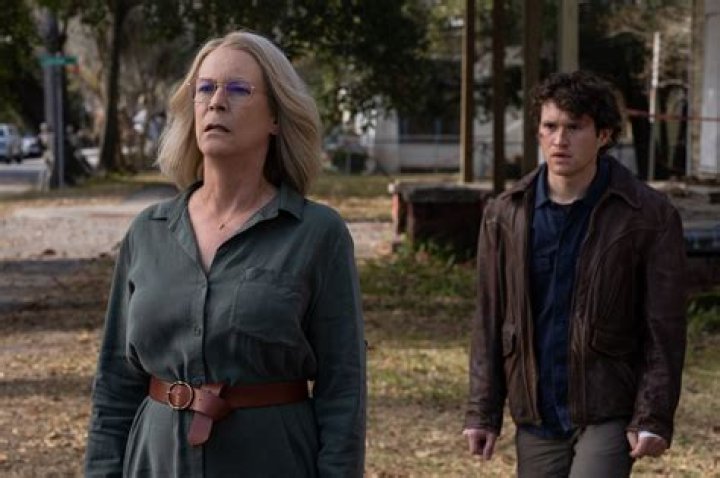
American director Steve Miner directed 14 movies from 1981 to 2008, with half of them being within the horror genre. His post-2008 career saw him directing episodes of TV shows, and despite his name being less recognizable than others in the genre, Miner's horror movie legacy cannot be ignored.
Miner directed numerous horror sequels and remakes, including Friday The 13th Part 2, Friday The 13th Part III, Halloween H20: 20 Years Later, and Day of the Dead. Regardless of his affinity for established IPs, Miner directed numerous standalone horror movies, including House, Warlock, and Lake Placid, which itself spawned several sequels.
9 James Wan (7 Movies)
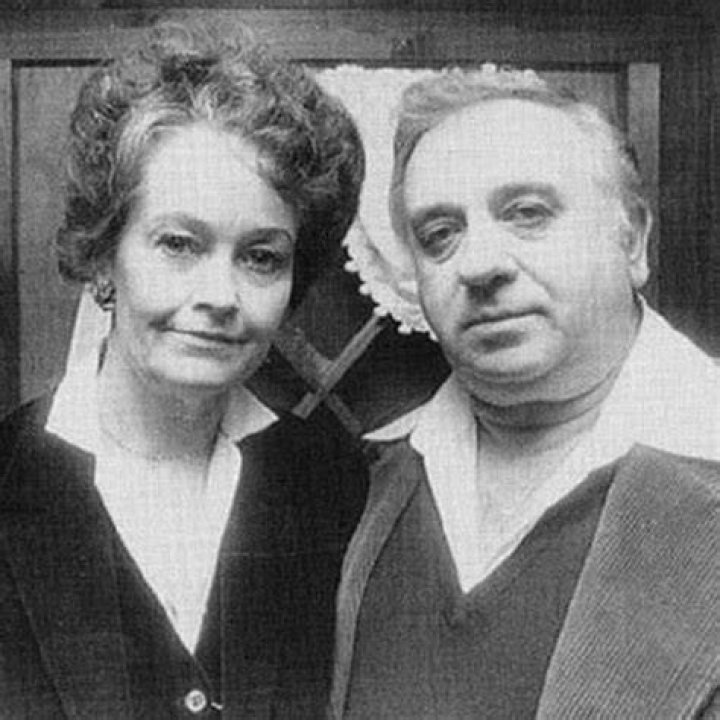
James Wan's contribution to the horror genre is arguably on par with such directors as George Romero and John Carpenter. Not only did he direct and co-write the original Saw that has received a whopping seven sequels so far, but he is also credited with beginning The Conjuring Universe, a series of interconnected movies that focus on the supernatural.
In recent years, Wan has moved away from horror and has focused on action/superhero franchises such as Fast and Furious and Aquaman. However, in 2021 Wan directed Malignant, proving that his affinity for the horror genre remains. Given that Wan is responsible for directing modern classics of the genre such as The Conjuring and Insidious, it is hard to ignore his impact.
8 John Carpenter (10 Movies)
John Carpenter's influence on the horror genre is truly significant. As a director, writer, producer, and composer, Carpenter's storied history in the horror genre is one that continues to this day as an executive producer on Halloween, Halloween Kills, and the upcoming Halloween Ends.
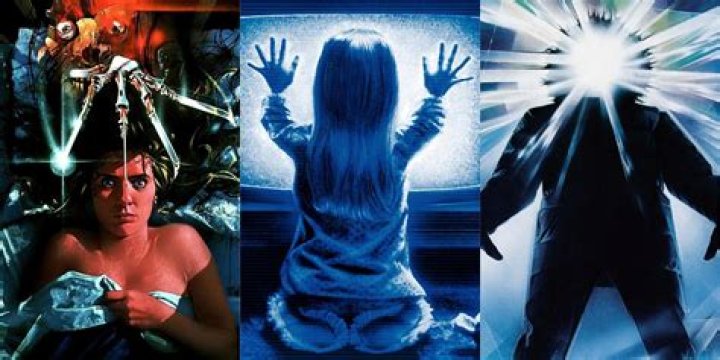
Not only did he direct and write the original Halloween movie in 1978, but he is also known for his work on numerous horror cult classics, most notably The Thing, which is one of the highest-rated horror movies according to IMDB. He is highly regarded amongst horror fans for good reason, and Carpenter's influence can be still be seen in several modern movies.
7 Dario Argento (11 Movies)

Dario Argento's lengthy directorial career began in 1970 in the Italian Giallo sub-genre, which refers to adaptations of Italian mystery and thriller novels that had yellow covers. Argento began experimenting within the genre, prompting several Giallo horror movies.
While Argento's newer works are looked upon less favorably than his previous movies, his legacy remains intact given his work on such classics of the genre as Deep Red and Suspiria. Many of Argento's movies feature a blend of gruesome imagery and complex character work, which is arguably sorely missed in modern movies in the genre.
6 Mario Bava (11 Movies)

Italian filmmaker, Mario Bava, began his long career at the age of 23 as a cinematographer for multiple productions. In 1957, he started his directorial career with the release of I Vampiri, a horror movie about a series of murders that left women with their blood drained.
Despite Bava's untimely death over four decades ago, his work remains the center of critical analysis, and the significance of his movies is proven by how influential they are to modern filmmakers. Bava's most iconic works include Black Sunday, Black Sabbath, Blood and Black Lace, and Kill, Baby... Kill! In addition to this, despite being unconfirmed, Bava's Planet of the Vampires bears noticeable plot similarities to Ridley Scott's masterpiece, Alien.
5 Lucio Fulci (11 Movies)
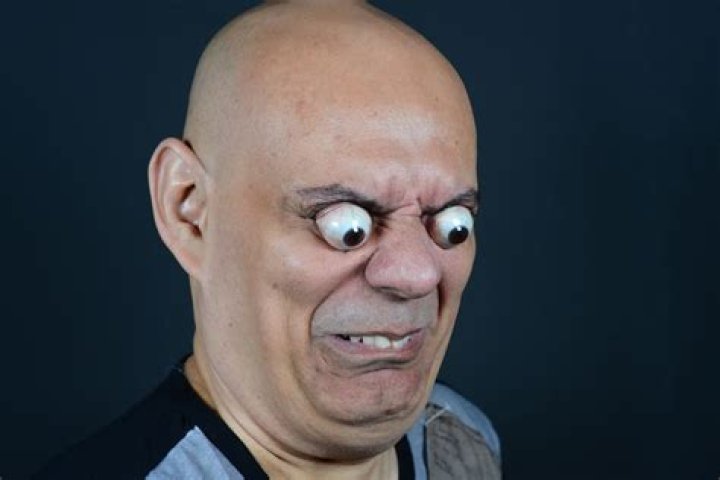
Much like Dario Argento and Mario Bava, Lucio Fulci contributed greatly to Italy's output of horror movies. Despite traversing several different genres throughout his lengthy career, including spaghetti western, thriller, and drama, Fulci evidently had an affinity for the horror genre.
Fulci is widely known for his zombie films that proved Italian filmmakers' talent for horror, including Zombi 2 and Zombi 3. Fulci's highest-rated movie on IMDb is Don't Torture A Duckling, which follows an Italian town being the site of several child murders, which are investigated by the police and other residents.
4 George A Romero (13 Movies)
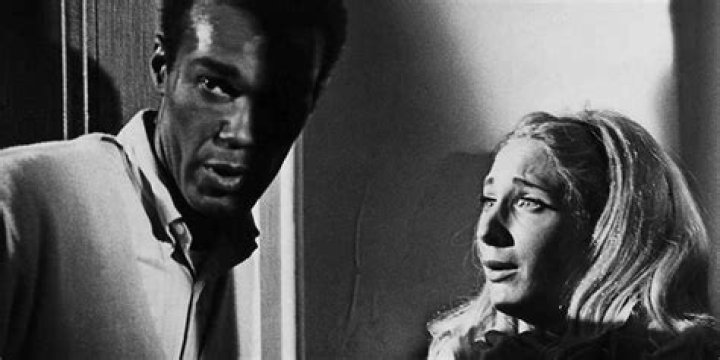
George A Romero is perhaps one of the most recognizable horror filmmakers. His contribution to the Zombie sub-genre is arguably unmatched given how influential his original Night of the Living Dead is. Out of Romero's 19 directorial works, 13 are horror movies.
Despite several standalone horror movies such as The Crazies, Martin, and Monkey Shine, Romero's crowning achievement is perhaps his Dead series. Following Night of the Living Dead, Romero directed five sequels, and despite the diminishing critical response following his return to the series after 20 years, the franchise as a whole is undeniably influential to Zombie-based media.
3 Tobe Hooper (14 Movies)
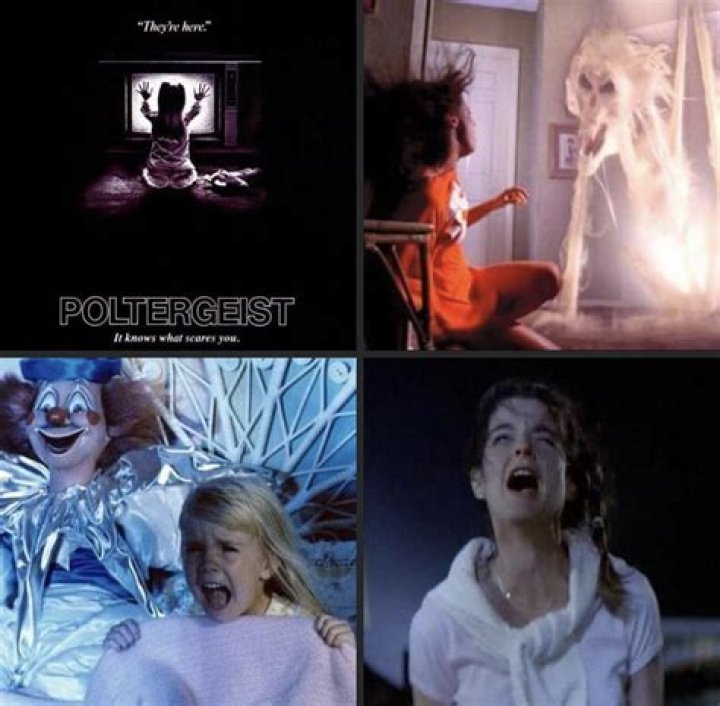
Tobe Hooper's contribution to the horror genre is massive given that he directed 14 movies within the genre. According to the BFI, Hooper credited Romero's Night of the Living Dead for exposing him to how complex and unique films within the horror genre could be.
Hooper directed some well-known movies including The Funhouse and Poltergeist, but his seminal film is undoubtedly The Texas Chain Saw Massacre. Not only is it considered Hooper's best movie by many fans, but it is also praised for its terrifying nature, regardless of how bloodless it is. As is common for many classic horror movies, Massacre wound up receiving numerous disappointing sequels, prequels, and remakes, yet none can take away from the brilliance of the original.
2 Wes Craven (18 Movies)
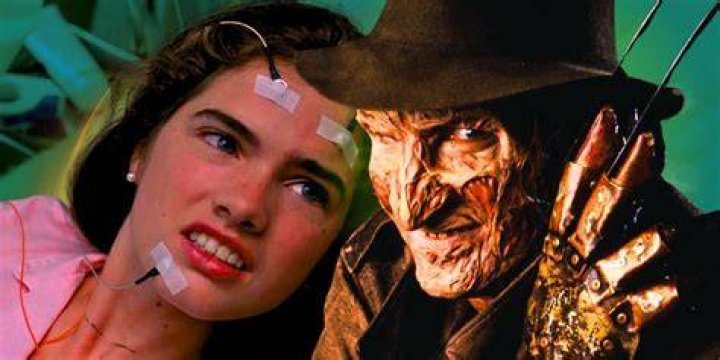
The late, great, Wes Craven is highly regarded for his work on the Scream franchise. However, before Scream in 1996, Craven directed numerous horror classics over the first 24 years of his career. Whether it be The Last House on the Left, The Hills Have Eyes or A Nightmare On Elm Street, Craven is arguably one of the masters of horror.
While A Nightmare On Elm Street is considered Craven's best movie in his career, it must be noted how impressive his contribution to the Scream franchise is. Craven directed Scream and its three sequels from 1996 to 2011 and given his death in 2015, the upcoming sequel, Scream, in 2022, has no involvement from the legendary director, leading many fans to hope that the film continues his legacy appropriately.
1 Terence Fisher (20 Movies)
The most prolific horror movie director is the British-born Terence Fisher, who directed 50 movies from 1948 to 1974, 20 of which were firmly within the horror genre. Fisher had a preference for movies about mythical horror creatures, including Frankenstein, Dracula, and Dr. Jekyll.
His first horror movie was The Curse Of Frankenstein, which began Fisher's lengthy exploration into the gothic horror sub-genre. While "monster" movies are harder to come by nowadays, Fisher's work remains influential to modern filmmakers given his breaking of boundaries at the time, as his horror was more explicit than the 'monster' movies that preceded him.
NEXT: 10 Best Horror Movies From 2021, According To Reddit
Next Joker 2: 10 Villains Joker Could Battle In His Sequel