Friday the 13th 2009 earned almost $100 million while the 1980 original made only $60 million, so how was the earlier slasher a much bigger hit?

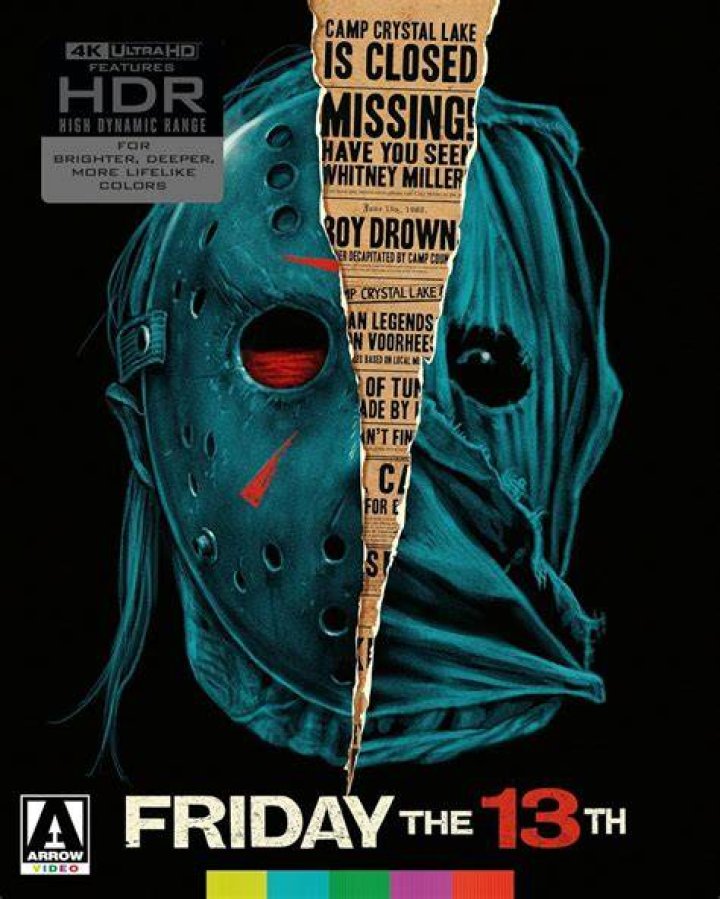
1980’s original Friday the 13th is still the slasher franchise’s most financially successful movie, despite Friday the 13th’s 2009 remake technically earning almost twice as much money. The Friday the 13th franchise was, by the admission of its own creators, an attempt to cash in on the sleeper hit success of director John Carpenter’s surprise 1978 smash Halloween. In this regard, Friday the 13th was an unqualified success.
While critics and audiences alike debate the merits of the movies artistically (and Friday the 13th’s adherence to slasher trends means the series repeats every mistake that the sub-genre as a whole makes), the cinematic adventures of Jason Voorhees can’t be faulted when it comes to profits. In remake, crossover, or sequel form, Friday the 13th makes a lot of money. However, despite its continuing success, the franchise has never outdone the incredible box office performance of 19890’s original Friday the 13th.
In terms of numeric gross (and not including the crossover Freddy Vs Jason), director Marcus Nispel’s 2009 Friday the 13th remake was technically the most financially successful movie in the franchise, with a payday of almost $100 million. In contrast, the original Friday the 13th only made $60 million (which is still significantly more than the critically-maligned space-set failure Jason X). However, this is a misleading way to gauge the two movie’s comparative successes. Adjusted for inflation, the original Friday the 13th earned $208 million in 2022 dollars, while the movie cost only $550,000 (which is still a mere $2 million in 2022 terms). In contrast, Friday the 13th 2009 only earned $124 million when adjusted for inflation, while the glossy remake cost a comparatively large $25 million in 2022 dollars.
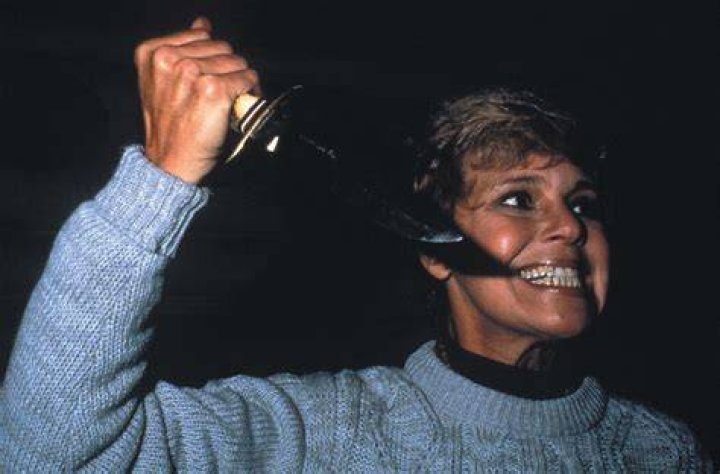
Thus, not only does inflation account for Friday the 13th’s seemingly smaller 1980 gross, but the original movie’s much lower budget made its profit margins massive. None of the sequels were able to reproduce this smash-hit success, largely because none of them were able to surprise viewers as effectively. By the time Freddy Vs Jason’s long-awaited crossover offered something new for viewers, the franchise had to split its profits with a rival slasher series. In contrast, 1980’s original Friday the 13th got by with just an ingenious ad campaign that revealed almost nothing about the movie in its early trailers and enigmatic posters, meaning many viewers only knew that the mysterious release was some sort of horror movie when they bought a ticket.
As a result, every Friday the 13th sequel inevitably saw the franchise’s premise become more and more familiar to audiences. While this did earn the series a lot of loyal viewers, it also made each subsequent Friday the 13th movie more niche in terms of audience interest. The original was suitable for anyone who wanted a mysterious horror, the second was strictly for slasher fans, and Jason’s underrated third outing, Friday the 13th was specifically for fans who wanted slashers set in abandoned summer camps with inventive kills and a dark sense of humor. This increasing niche appeal resulted in the Friday the 13th franchise never recreating the heights of the original movie’s box office success, despite 2009’s remake putting up an impressive display.
More: Freddy’s Revenge Was Almost The Most Disturbing Nightmare On Elm Street