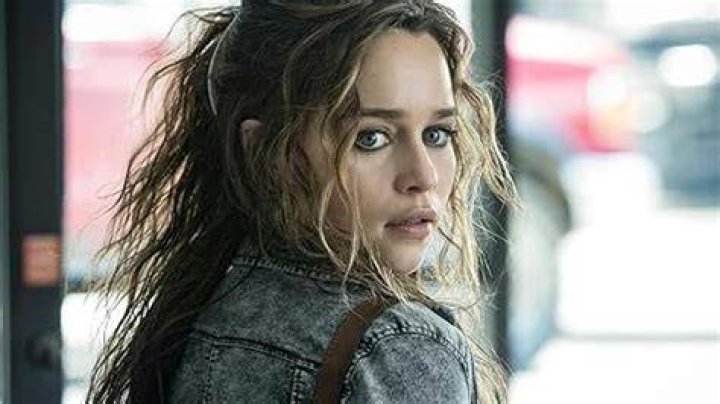
The Emilia Clarke film Above Suspicion was based on a true murder story based in Kentucky. However, the film fictionalized many aspects.

Emilia Clarke starred in Above Suspicion, a crime film based on a true story, but many aspects were fictionalized. Clarke played the real-life murder victim, Susan Smith, a drug dealer from Kentucky who had an affair with FBI agent Mark Putnam when he hired her to help him catch bank robber Carl Edward "Cat Eyes" Lockhart. The film is based on the non-fiction book Above Suspicion: An Undercover FBI Agent, an Illicit Affair, and a Murder of Passion by Joe Sharkey. The author stuck to his facts while telling the real-life story, but as Hollywood does best, the film made some sacrifices.
Clarke is joined by Jack Huston as Mark Putnam, Sophie Lowe as his wife, Kathy Putnam, and, surprisingly, Jackass star Johnny Knoxville who put on an unexpectedly impressive performance as Smith's husband. Above Suspicion was given only a 38% audience rating on Rotten Tomatoes and grossed a worldwide Box Office total of $25,396. The film does its best to stay true to the most important facts but should not be viewed by anyone searching for the real story. Above Suspicion adds a lot for entertainment purposes, including fake characters and fabricated events in order to make it more entertaining for audiences to watch.
6 Above Suspicion Changed Character Names

Likely for legal reasons or to protect the real people involved and their families, some of the names in Above Suspicion were changed. Most of the main characters kept their names, with Susan Smith, Mark Putnam, and Kathy Putnam all using the real-life inspirations' names. However, Susan's ex-husband in real life was named Kenneth Smith, and the film changed his name to Cash. A more significant change was the name of the bank robber Putnam was after. In real life, his name was Carl Edward "Cat Eyes" Lockhart, but the Above Suspicion film changed his name to Joe-Bea. The film also changed Susan's sister's name from Shelby Ward to Jolene. However, the name changes didn't take away from the film's message and were actually some of the least crucial changes the film made.
5 Above Suspicion Gives Susan A Narrative
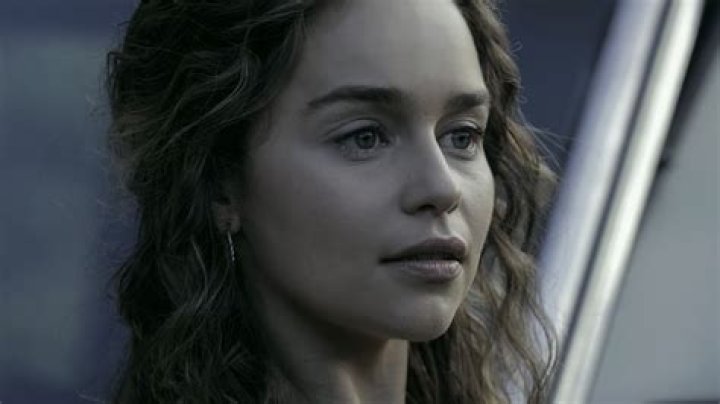
The film gives a voice to Smith by allowing her to narrate, which the book obviously couldn't provide because of Smith's death. However, giving Smith a perspective makes a big difference to the story. Since Sharkey spoke with Putnam when writing his book, the information was from the FBI agent's perspective, but the film allows Smith a chance to tell her story, even if it's only an assumption of Smith might be saying from the afterlife. After all, she was the victim of murder, and he was the one who committed it. While he did confess out of guilt, proving he's not soulless, this doesn't excuse his crimes.
The film paints Smith as a lost soul who was manipulated and flattered by a man in a position of power, which was more relevant to the time period of the film's release in 2019, while the book was published in 1993. While Smith was not innocent, as she was involved in a world of drug dealing and crime and also had an affair with a married man, it's natural to have compassion for her, and the film leaned into this by manipulating the narrative instead of keeping its tone neutral, which would have been more accurate.
4 Above Suspicion Fabricated The Bones Shooting Scene

Before Smith and Putnam even meet, Smith's brother, nicknamed Bones, is involved in a shooting at a party, but there's no evidence this ever happened, and it seems to be completely fabricated for entertainment purposes. In fact, while Smith's sister was involved in getting her story out and has her own beliefs about why Putnam really killed Smith, there's no evidence Smith has a younger brother with the nickname Bones, and the character was likely made up for the film to add to its plot and Smith's dangerous, lifestyle.
It might seem like an odd thing for the film to make up, but just because a film says it's based on a true story doesn't mean anyone should take it as a fact. Even if Above Suspicion kept Smith's name, her character, and her character's story is pretty fictional.
3 Above Suspicion Added In Fictional Characters
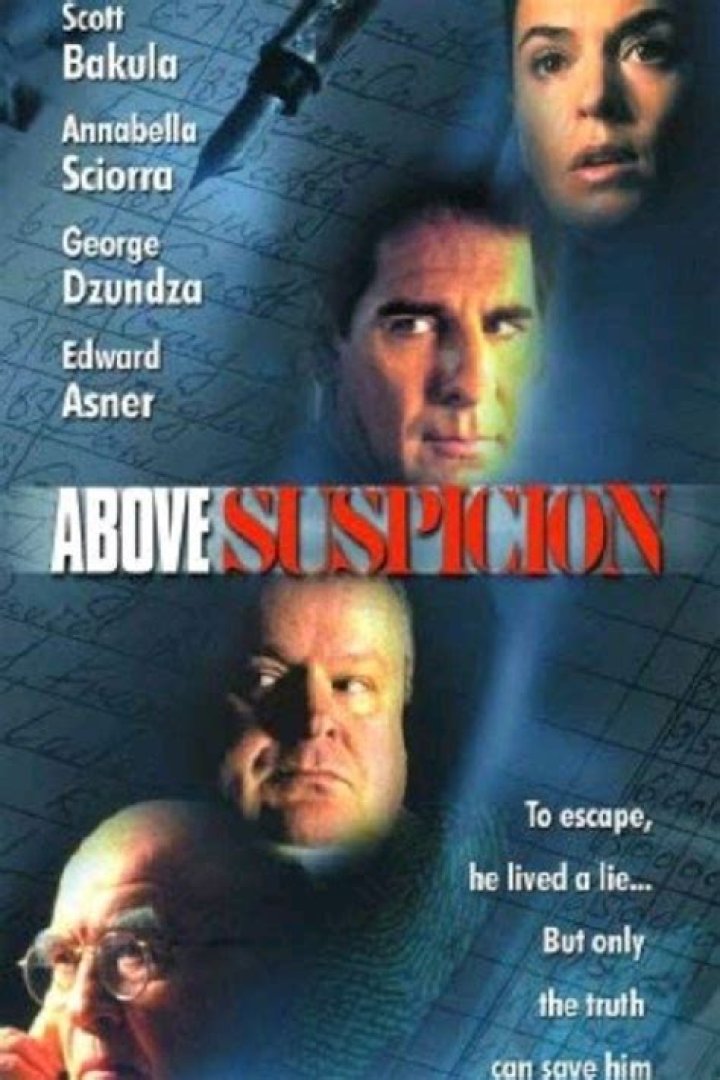
Above Suspicion added in Bones and a few other characters too. One is Randy McCoy. The officer may have been based on Albert "Bert" Hatfield, but his story is different, making it seem he's more of a fictional character than someone based on a real person involved in the case. In real life, Hatfield knew Smith, but in the film, McCoy doesn't seem to know her at all. If McCoy was based on Hartfield, this would be an important detail to include as it would have added context to the story.
2 Above Suspicion Doesn't Explore Shelby Ward's Theory
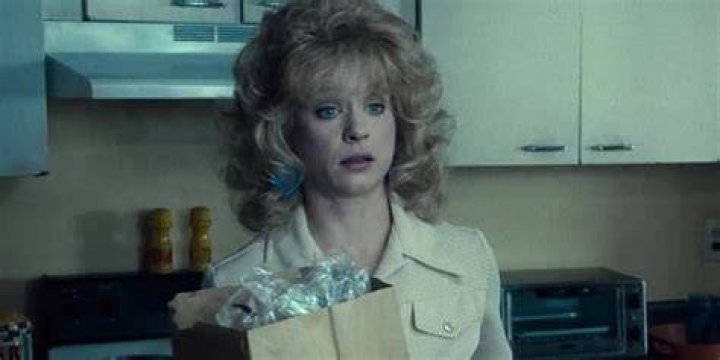
Putnam's story says he killed Smith because she told him she was pregnant, and he was afraid of his wife finding out and afraid of the affair ruining his life. He claims he confessed to the murder a year after committing it because the guilt was eating him alive. However, Ward doesn't believe him. Ward declined to speak to Sharkey while he was writing the book, so he couldn't include any of her theories or her perspective. However, she's come forward with her thoughts on the experience since.
Ward believes Putnam was involved in even worse crimes than killing her sister and confessing to her murder was his way of covering up past crimes that could have gotten him in more trouble. Putnam only received 16 years in prison for Smith's murder and got out after serving only 10 because of his good behavior. There's no evidence Ward's theory is true, but it would have been interesting if Above Suspicion explored Ward's beliefs, even if it was only a brief scene at the end of the film.
1 How Accurate Is The Above Suspicion Movie?
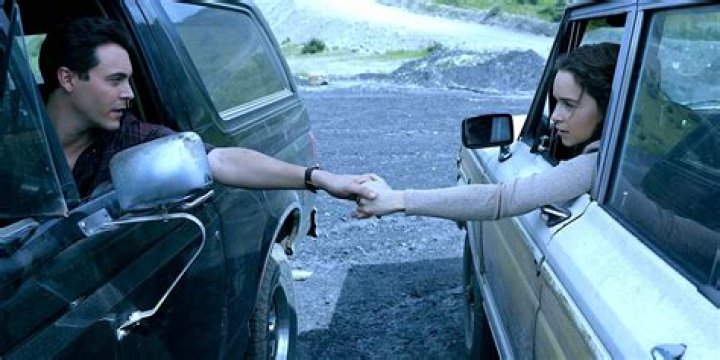
While the general plot is based on a real story, Above Suspicion took a lot of creative liberty in order to add suspense. It also adds in a few false aspects for dramatic effect to make the story more interesting. The scene with Bones is a great example, as well as the way the film changed names and put characters in situations that didn't actually happen.
However, Above Suspicion did stick to some facts, like Smith calling Putnam's wife regularly and the argument that led to her murder. The ending is also questionable, as what was said during the fight was likely fabricated. Also, Putnam claims he tried to convince Smith to let him and his wife adopt the baby, and Smith refused. In the film, this is only briefly brought up, and when Smith says no, he drops the topic. It seems in real life it was more of an issue than in the film. Above Suspicion also brushed right past the end when Putnam confesses, which was a lot more intense than the movie made it seem.