Dungeons & Dragons 5e players are spoiled for choice when creating new characters, and this means some awesome races might get overlooked.
With over 50 races available to choose from when creating a Dungeons & Dragons 5e character, there are bound to be more than a few players have never tried. While some are synonymous with DnD, like elves and dwarves, others are a little more obscure. This can lead to some amazing races getting overlooked in favor of the better-known playable races.
While the Player's Handbook only contains what are the core nine races of DnD, many more options have been added since the launch of fifth edition in 2014. From elegant birdfolk to some more monster-based playable DnD races, players really are spoiled for choice. With great traits and abilities, here are some DnD races that every player should try at least once.
10 Genasi
The genasi are a race that can trace their roots back to the Elemental Planes of DnD 5e, with there being four genasi people representing the four elements. Genasi are the descendants of the inhabitants of the Elemental Planes who, at some point, have children with mortal beings such as elves or humans. As such genasi appearance is varied and only really limited by player imagination.
Each of the four genasi playable races has unique features, as well as element-appropriate resistances. Each genasi subrace also has element-themed spells such as burning hands for fire genasi or water walk for water genasi. Genasi are another highly versatile race perfect for DnD players who are looking for something different to put their own stamp on.
9 Changeling
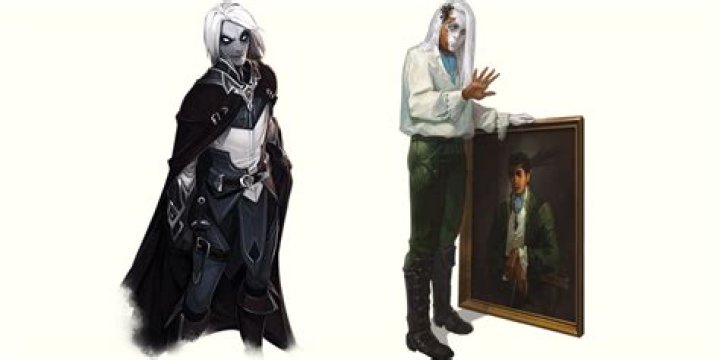
Introduced to DnD 5e in Eberron: Rising from the Last War before being updated in Mordenkainen Presents: Monsters of the Multiverse, changelings are mysterious folk who can change their appearance on a whim. In their true forms, changelings have pale gray skin, white colorless eyes and white hair, but it is extremely rare to ever see a changeling like this. They are usually found in more casual shapes, known as masks, or one of their more in-depth identities crafted over the years.
As one might expect, the core racial feature of the changeling is called Shapechanger, which lets the player change their appearance and voice. Changelings are great fun for DnD players who enjoy roleplaying, as their race naturally lends itself to storytelling. Changelings are also naturally versatile, with the race letting players test drive other races physically, at least.
8 Warforged
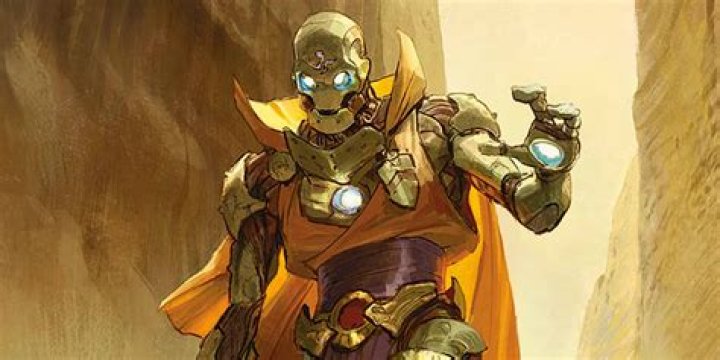
Warforged arrived to DnD 5e in Eberron: Rising from the Last War, and while linked to the Eberron setting, it is easy to adapt a warforged character to other settings. For great examples of the variety of characters can be created with a warforged, players only need to look at Fresh Cut Grass or F.R.I.D.A. from Critical Role's latest campaign or Rhiannon Frost's Sentry in High Roller's Aerois campaign. Each of these characters stands apart from the others while making use of the core concept that makes warforged fascinating; being sentient but not truly living.
In terms of racial features, warforged follow the older DnD 5e character rules with ability score boosts with an increase of two to Constitution. One of the perks of building a warforged character is that the character will not need to eat or drink and only need six hours of inactivity for a long rest. This can make them very overpowered in survival-based campaigns, as warforged are also immune to disease, cannot be put to sleep by magic, and can start at level one with one extra skill proficiency.
7 Githzerai
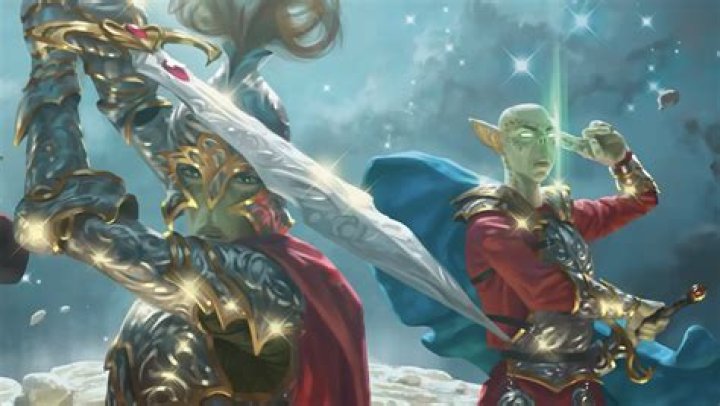
When first brought to DnD 5e, the githzerai were considered a subspecies of the gith and bundled in with their better-known cousins, the githyanki. Since then, they have been expanded on and separated to allow this unusual race a chance to shine. Living on DnD's most chaotic plane of existence, Limbo, the githzerai have honed their psionic powers to create a home for themselves.
Like the githyanki, the githzerai are resistant to psychic damage and also innately know some handy spells. Mage hand, shield, and detect thoughts are all available to any DnD player who chooses to make a githzerai character without the need for spell slots or components. However, one of the best racial abilities of the githzerai is their Mental Discipline, which grants them advantage on saving throws against being charmed or frightened.
6 Bugbear
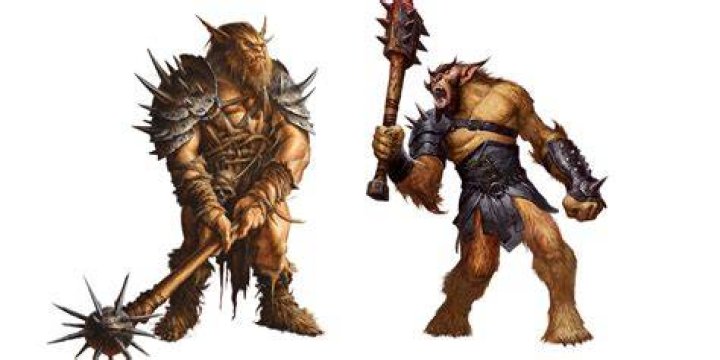
Bugbears might not be the first DnD race that springs to mind when players are making new characters. Often found as enemy combatants, Bugbears were transformed into a playable race in Mordenkainen Presents: Monsters of the Multiverse. As the name suggests, bugbears have a monstrous background, being the larger cousins of hobgoblins and goblins. However, there are some really great features that may make players think again when it comes to these hairy hulking goblinoids.
Bugbears have the feature Long-Limbed which gives them an extra five feet of reach for melee attacks meaning they can attack enemies and then move without provoking attacks of opportunity as they were never in their enemy's range. However, there are two other features that make bugbears surprisingly overpowered: Sneaky and Suprise Attack. Sneaky gives the bugbear proficiency in Stealth and lets them squeeze through spaces usually reserved for small creatures. Surprise Attack functions like a DnD rogue's sneak attack, with the bugbear able to deal an extra 2d6 damage to a target if it attacks before the target has had its turn. Combining these three features would make a bugbear rogue devastatingly effective in combat.
5 Yuan-ti
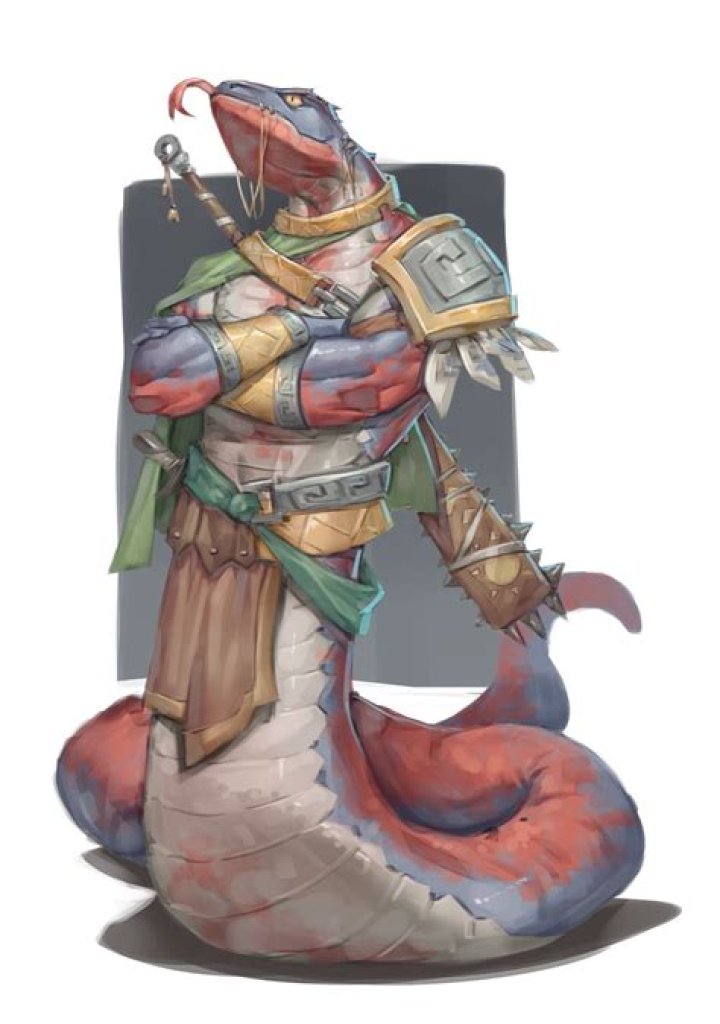
Yuan-ti are another DnD race that started out life as the bad guys. Traditionally described as evil, yuan-ti were humans who used ancient rituals to transform themselves into snake-like people. While some yuan-ti can pass for human, others are more noticeably serpent-like, with full snake heads or tails in place of legs.
Yuan-ti have three great racial features, two of which are considered by some DMs to be overpowered. Yuan-ti have three innate spells, poison spray, animal friendship (which cheekily only targets snakes) and the potentially game-breaking DnD spell suggestion. On top of that, they have poison resistance with advantage on saving throws against being poisoned. And if all of that wasn't enough to make a player give being a yuan-ti a shot, they also have magical resistance granting them advantage on saving throws against any spells.
4 Owlin
Hailing from the feywild and introduced to DnD in Strixhaven: A Curriculum of Chaos, owlin have some great features that set them apart from their Aarakocra cousins. Descended from the Feywild's Giant Owls, owlin can be made to look like any owl breed. From large and noble-looking horned owls to cute fluffy saw-whets, owlins are a great excuse to get creative with a character's appearance.
Owlin have two features that are key and lend themselves naturally to some DnD classes for owlin builds. Owlin have 120 feet of darkvision which is significantly more than other races with this ability, meaning owlin can easily pick off enemy targets from range. However, the best feature is the owlin's flight, which has a speed equal to their walking while they are not wearing medium or heavy armor. There are lots of classes and subclasses that boost speed to make the most out of the owlin's flight capabilities.
3 Tabaxi
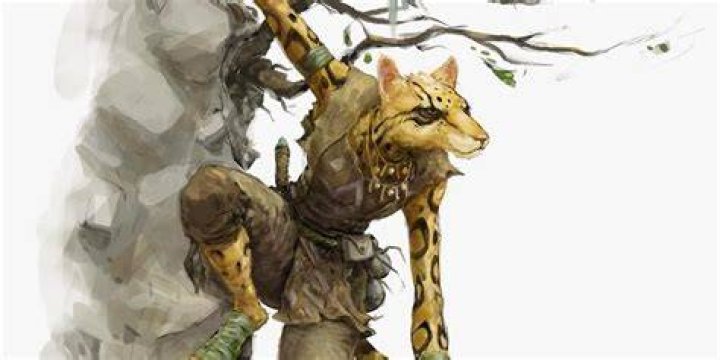
The feline tabaxi were first brought to DnD 5e in Volo's Guide to Monsters before being updated in Mordenkainen Presents: Monsters of the Multiverse. Tabaxi are innately curious beings, with their appearance varying from looking like anthropomorphized house cats to having patterns more akin to tigers and other big cats. Tabaxi have a few great features that make them excellent choices for DnD characters, including a walking and climbing speed of 30 feet.
Tabaxi are proficient in Perception and Stealth, making them great party scouts and lending themselves well to rogues and rangers. However, one of the best racial features is Feline Agility which gives the character a burst of speed during combat. With this trait, the tabaxi can move 60 feet on their turn and can regain this ability after spending at least one more turn using no movement, making tabaxi able to zip around a DnD battlefield with ease.
2 Goblin
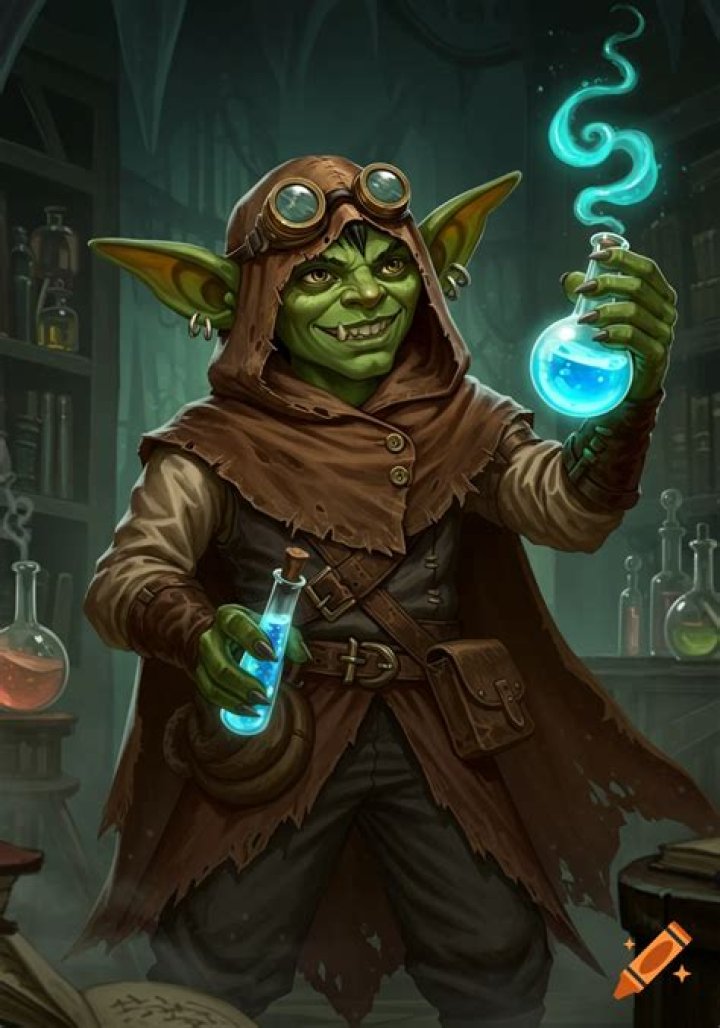
Goblins are yet another DnD race that started out as the traditional bad guys. Indeed, the very first enemies that players encounter in the starter set campaign, The Lost Mines of Phandelver, is a group of goblins. Luckily these small but mighty folk have been made into a playable race and are one players should definitely take a look at.
Besides from the roleplay aspect of playing a race usually seen in the world as the enemy, goblins have got some really fun racial features. As well as having advantage of saving throws against being charmed, goblins can also disengage or hide as bonus actions, something usually only reserved for rogues. However, what really makes goblins stand out is their Fury of the Small ability, which allows them to deal extra damage on an attack as long as the target is larger than them. The extra damage is equal to their proficiency bonus and can be used the same number of times per long rest. This allows goblins to progressively deal out more damage as they level up and, when coupled with certain DnD class or subclass features, turn goblin characters into damage MVPs.
1 Tortle
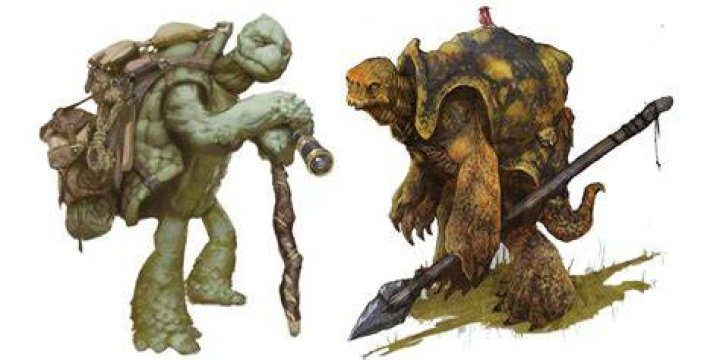
While a tortoise might not seem like the most obvious choice to base a DnD race on, tortles are great fun to play. First introduced in their very own supplement, tortles were updated along with many other races in Mordenkainen Presents: Monsters of the Multiverse. Tortles are intelligent turtle-like beings who are described as having a knack for wilderness survival as they are able to effectively carry their homes on their backs.
Besides the fun roleplay side of being a medium-size tortoise, tortles also have some great racial features, such as being able to hold their breath for a whopping one hour. Their claws deal 1d6 plus their Strength modifier of slashing damage with their unarmed strike, and their shell provides a base AC of 17, which can be increased further by equipping a shield. This makes spellcasting tortles much hardier than any other race, as tortles can also withdraw into their shells, gaining +4 to their AC while tucked inside. All things considered, tortles are a fantastic race that are overlooked during character creation by a lot of Dungeons & Dragons players.